
Kristina Kibukevich insta editor tripmydream
Advantages of living in Australia
- A high standard of living means a stable economy, competitive salaries and a well–developed social system.
- Quality medicine is a modern healthcare system and access to public health insurance.
- Security – low crime rate and high standards of public safety.
- Climate and nature – warm weather, ocean, beaches, national parks and unique flora and fauna.
- Work–life balance – a work-life balance culture, paid vacations, and flexible schedules in many areas.
- Multicultural society – a large number of migrants from all over the world, tolerance and openness.
- High–quality education – prestigious universities and a modern school system.
- Clean environment — strict environmental standards, clean air and water.
- Career opportunities – the demand for qualified professionals in various industries.
- Well–developed infrastructure – convenient transportation, modern cities and comfortable living conditions.
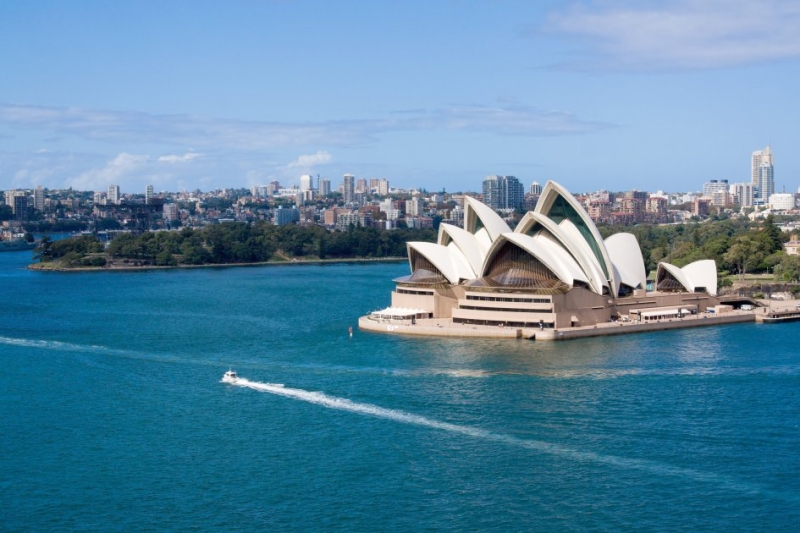
© depositphotos Photo author – RuthBlack
Disadvantages of living in Australia
- High cost of living – expensive housing, rent, products and services, especially in large cities.
- The distance from Europe and Ukraine means long and expensive flights, and it is more difficult to maintain frequent contact with family.
- The immigration procedure is complicated and lengthy, with strict visa requirements, competition, and bureaucracy.
- The expensive real estate market – buying a home requires significant financial resources.
- Climate risks – heat waves, forest fires, floods or droughts in certain regions.
- Unusual fauna – venomous snakes, spiders and other animals that can frighten newcomers.
- High taxes are a progressive taxation system that can have a significant impact on income.
- Competition in the labor market – especially without local work experience.
- Differences in culture and mentality – the adjustment period can be difficult.
- Limited public transport outside big cities — in some regions it is difficult to do without a car.
Subscribe to our telegram channel @tripmydream to be the first to learn about travel news and promotions!
Demand for specialists and salaries
Australia is a country with a high demand for qualified specialists in various fields. It particularly needs specialists in IT, healthcare, engineering, education and business services, as well as workers in construction and technical professions. Strong demand is driven by the development of the digital economy, aging, and large-scale infrastructure projects across the country.
The demand for specialists is also distributed by region in different ways:
- Sydney and Melbourne are in significant demand for IT and financial professionals, engineers and project managers through the development of businesses and technology centers.
- Brisbane, Perth and Adelaide are an active market for engineers (public construction, energy), medical professionals and technical specialists.
- Regional centers and small towns are in demand for nurses, teachers, construction workers and skilled workers, especially in regions with population growth.
Wages in Australia depend on the industry, skill level and place of work:
- IT sphere – Software Engineers and DevOps can receive approximately AUD 95,000-160,000+ per year.
- Healthcare – nurses earn about AUD 70,000–110,000, and general practitioners earn AUD 200,000 -350,000 or more.
- Engineers – from AUD 75,000 to 180,000, depending on their specialization.
- Teachers, financial and business professionals – salaries often range from AUD 70,000 to 160,000.
- Construction, hospitality, and trade – the starting levels may be lower, but they grow with experience.
The average salary in the country is about $2,200 USD per month (about AUD 3,000) — this is an average figure that varies significantly depending on the specialty and location.
In general, the most stable areas in terms of growth and pay are IT, medicine, engineering and finance, as well as professions requiring high qualifications and local certification.

© depositphotos Photo by AlexFedorenko
Cost of living in Australia
Here are the real numbers for Sydney (one of the most expensive cities):
|
Monthly expenses |
Per person (without rent) |
For a family of four (without rent) |
|
USD |
$1200 – $1350 |
$4300 – $4800 |
|
AUD (local dollars) |
$1800 – $2000 |
$6500 – $7300 |
Average monthly rental price (AUD):
Studio (1 Bedroom Apartment): from $1320 to $2310+ USD.
Two-bedroom apartment from $2310 to $3960+ USD.

